Protecting Food. Empowering Whistleblowers.
Protecting Food. Empowering Whistleblowers.
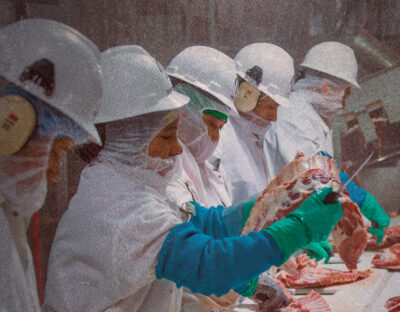
FOR IMMEDIATE RELEASE: September 21, 2023 Food Integrity Campaign and Government Accountability Project Releases Issue Brief on Whistleblowers at the Intersection of Oversight Failures in the Immigration & Food Production Systems Numerous Reports of Immigrant Minors Working in Dangerous and Illegal Food Production Jobs Spur Need for Stronger Whistleblower Protections WASHINGTON – Today, Food Integrity […]
At the Food Integrity Campaign, we have always been champions of fair practices, transparency, and the protection of farmers’ rights. Today, we are deeply concerned about a looming threat to these principles in the form of the EATS Act. This legislation, which may sound benign on the surface, is nothing short of a power grab […]
FOR IMMEDIATE RELEASE: August 29, 2023 Rose Garden Advocacy Walk to Show Whistleblower Support in Front of White House WASHINGTON—Every President since Ronald Reagan has been contacted by Senator Chuck Grassley (R-IA.) to host an official Rose Garden Ceremony to honor and celebrate whistleblowers, yet none have done so. On Thursday, September 7, Whistleblowers of […]
The following blog is written by Natalie Laurie, who is joining FIC this summer. Natalie is a recent graduate from both the Vermont Law School with a JD specializing in food and agriculture; and the CY Paris Cergy University in France, with an LLM and Master’s in Business, Tax, and Compliance Law. Upon graduation, Natalie […]
At Food Integrity Campaign, we celebrate whistleblowers every day through our dedicated work towards their protection. Unfortunately, our nation’s culture does not always reflect the respect and value that it should hold for those who stand up for what is right in the face of adversity and retaliation. That is why July 30th is National […]
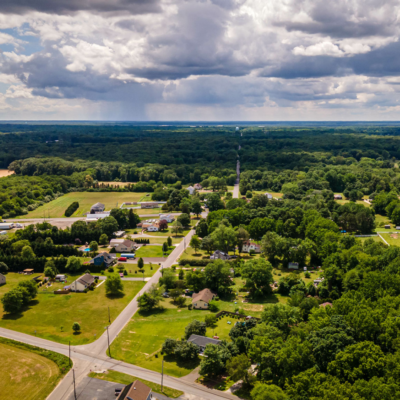
Environmental justice has long been a cause close to our hearts at the Food Integrity Campaign. We believe that every individual, regardless of their background, deserves access to clean and sustainable energy sources. That is why we have been closely monitoring the USDA’s Rural Energy for America Program (REAP) and its potential to revolutionize the […]
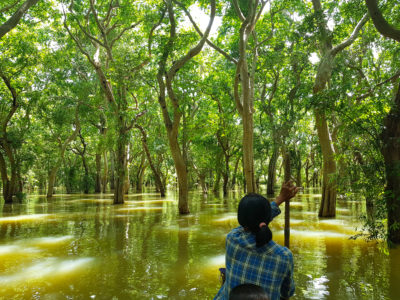
Oceans and marine environments play a critical role in feeding the future and addressing the impacts of climate change. Not only do marine environments absorb carbon, but they can also act as a buffer against catastrophic weather events. More importantly, when managed correctly they can be a source of healthy sustainable food. In this blog […]
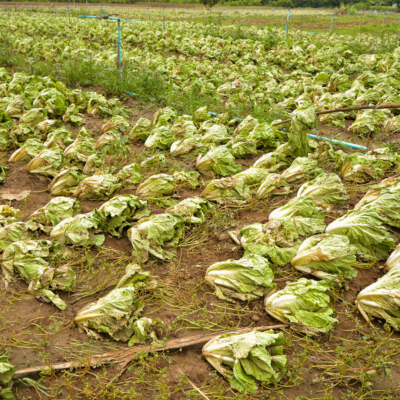
Climate change affects the entire food system from production, processing, transportation, storage and consumption. It’s no secret that climate change has already altered weather patterns, contributing to stronger hurricanes, intense rain and flooding, heatwaves and droughts. It’s not an existential threat, the time to transform our methods of feeding the future in light of climate […]
Here’s a list of the legislative items FIC is working on in 2023: Supporting our Farm and Food System Workers Act of 2023 This bill would create the USDA Office of the Farm and Food System Workforce, which would serve as a liaison and resource for farm and food system workers, a platform for these […]

Whistleblowers play a key role in protecting the health of our shared environment. This is especially true when it comes to mitigating the impacts of air pollutants stemming from industrial agriculture. In our previous blog, we examined how our food system can harm the quality of our water. In this blog, we’ll look at how […]